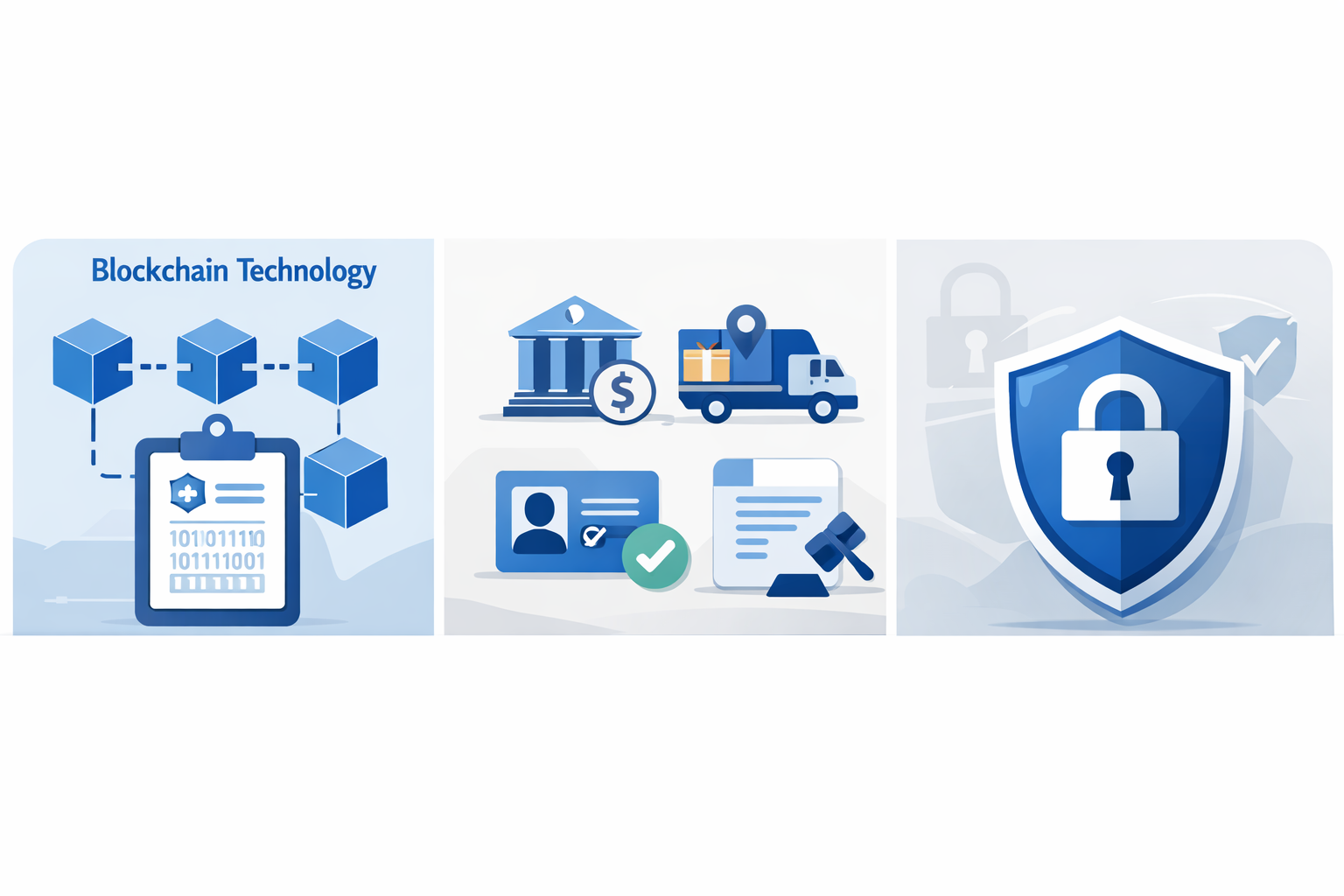
Blockchain is one of the most talked-about technologies of the last decade, yet it remains one of the most misunderstood—especially among beginners. Many people hear about Bitcoin, crypto scams, or overnight millionaires and assume they fully understand blockchain. In reality, most beginners are confused not because blockchain is impossible to grasp, but because it is often explained poorly.
This article exists to clear the confusion, not to repeat technical explanations you may have already read elsewhere. Instead of diving into how blocks are created or how networks reach consensus, this guide focuses on what beginners usually get wrong, how blockchain is actually used in the real world, and whether it is safe to engage with as a beginner.
If you want a deeper, step-by-step explanation of how blockchain technology works at a technical level, you should first read How Blockchain Works: A Simple Beginner Guide. This article is designed to support and clarify, not replace that foundation.
Why Beginners Get Confused About Blockchain
Blockchain confusion usually starts with headlines. News stories, social media posts, and online ads often mix blockchain, cryptocurrency, investing, and scams into one blurry concept. As a result, beginners assume that understanding blockchain means understanding crypto trading—or worse, that blockchain is a guaranteed way to make money.
Another reason for confusion is that many articles jump straight into technical jargon. Terms like “hashing,” “nodes,” and “consensus mechanisms” are introduced too early, overwhelming readers who are simply trying to understand what blockchain is used for.
This guide takes a different approach. Instead of focusing on how blockchain works internally, it focuses on:
- The difference between blockchain and cryptocurrency
- Real-world uses beyond Bitcoin
- Safety, risks, and common myths beginners should know
Blockchain vs Cryptocurrency: What Beginners Always Mix Up
One of the most common mistakes beginners make is using the words blockchain and cryptocurrency interchangeably. While they are related, they are not the same thing.
Blockchain Is a Technology, Cryptocurrency Is One Application
Blockchain is a technology—a type of digital record-keeping system. It allows information to be stored in a way that is transparent, difficult to alter, and shared across multiple participants.
Cryptocurrency, such as Bitcoin or Ethereum, is just one application built on blockchain technology. It uses blockchain as its underlying system to record transactions and ownership.
In other words, blockchain can exist without cryptocurrency, but cryptocurrency cannot exist without blockchain.
A Simple Analogy Beginners Understand
Think of blockchain as a digital accounting book that anyone with permission can verify. Cryptocurrency is simply one type of asset recorded inside that book.
Just as accounting software can track salaries, invoices, and expenses—not just cash—blockchain can support many use cases beyond digital money.
Why Bitcoin Gets All the Attention
Bitcoin was the first successful and widely adopted use of blockchain technology. Because it was revolutionary and financially disruptive, it became the face of blockchain in the media.
However, focusing only on Bitcoin creates the false impression that blockchain’s sole purpose is cryptocurrency speculation. In reality, Bitcoin is only the beginning of what blockchain can support.
Real-World Uses of Blockchain Beyond Bitcoin
Blockchain’s real value becomes clearer when you look beyond cryptocurrency. Across the United States, Canada, the United Kingdom, Europe, and Australia, blockchain is already being explored and used in practical ways.
Financial Services and Cross-Border Payments
Traditional international payments can take days to settle and involve high fees. Blockchain-based systems can reduce settlement times and increase transparency.
Banks and financial institutions are experimenting with blockchain to improve:
- Cross-border money transfers
- Transaction reconciliation
- Payment settlement speed
These systems do not always involve public cryptocurrencies and are often designed for internal or institutional use.
Supply Chain and Product Tracking
Blockchain is increasingly used to track products as they move through supply chains. This is especially valuable in industries where authenticity and safety matter.
Examples include:
- Tracking food from farm to supermarket
- Verifying pharmaceutical supply chains
- Authenticating luxury goods
By recording each step on a shared ledger, companies can reduce fraud and improve accountability.
Digital Identity and Record Verification
Verifying identity and credentials is another promising blockchain use case. Educational institutions and employers can use blockchain-based records to confirm certificates, licenses, and qualifications.
Instead of relying on paper documents or third-party verification services, blockchain can provide a tamper-resistant way to prove authenticity while still protecting personal data.
Smart Contracts in Everyday Business
Smart contracts are self-executing agreements stored on a blockchain. When predefined conditions are met, actions happen automatically.
In practical terms, smart contracts are being explored for:
- Insurance claim payouts
- Real estate escrow agreements
- Business-to-business contracts
They reduce manual processing and help eliminate disputes caused by unclear contract execution.
Is Blockchain Safe for Beginners?
Safety is one of the biggest concerns beginners have—and rightly so. The answer, however, depends on what aspect of blockchain you are interacting with.
Blockchain Technology vs Investment Risk
Blockchain technology itself is designed to be secure and tamper-resistant. The risks beginners usually face do not come from the technology, but from:
- Unregulated investment platforms
- Fraudulent crypto schemes
- Poor financial decisions driven by hype
It is important to separate blockchain as a technology from speculative investing built on top of it.
Common Myths Beginners Believe
Many misconceptions lead beginners into trouble. Some of the most common myths include:
- “Blockchain guarantees profits.” Blockchain does not guarantee income or investment returns.
- “Blockchain is completely anonymous.” Many blockchains are transparent and traceable.
- “All blockchain projects are decentralized.” Some projects are controlled by companies or institutions.
Understanding these myths helps beginners avoid unrealistic expectations.
What Beginners Should Avoid
If you are new to blockchain, you should be cautious of:
- Platforms promising guaranteed or fixed returns
- Projects that rely heavily on hype but lack real-world use
- Influencers promoting “secret” blockchain opportunities
A legitimate blockchain project focuses on solving a real problem—not rushing users into quick profits.
What Beginners Should Understand Before Trusting Any Blockchain Project
Before engaging with any blockchain-based platform or service, beginners should ask a few critical questions:
- Does this project clearly explain what problem it solves?
- Is the team or organization transparent?
- Is it compliant with regulations in major markets like the US, UK, or EU?
- Does it rely on education and utility rather than hype?
Taking time to evaluate these factors can help beginners avoid unnecessary risks.
Final Thoughts: Blockchain Is Bigger Than Bitcoin, But It Is Not Magic
Blockchain is a powerful technology with real-world applications that extend far beyond cryptocurrency. At the same time, it is not a shortcut to wealth or a risk-free opportunity.
For beginners, the smartest approach is education first. Understand the difference between blockchain and cryptocurrency, recognize where blockchain is actually being used, and remain cautious of exaggerated promises.
If you want to build a solid foundation, start with How Blockchain Works: A Simple Beginner Guide, then use this article as a reality check to separate facts from hype. With the right mindset, blockchain becomes far less confusing—and far more useful.
Frequently Asked Questions
No, blockchain and cryptocurrency are not the same. Blockchain is a technology used to store and verify data securely, while cryptocurrency is just one application built on blockchain. Many blockchain systems operate without using cryptocurrencies at all.
People confuse blockchain with Bitcoin because Bitcoin was the first widely known use of blockchain technology. Media coverage and online discussions often focus on Bitcoin, making it seem like blockchain only exists for cryptocurrency, even though blockchain has many other uses.
Yes, blockchain can be used without cryptocurrency. Many companies and institutions use private or permissioned blockchains for record-keeping, supply chain tracking, identity verification, and contract management without involving digital coins.
Blockchain technology itself is considered secure, but beginners may face risks when dealing with unregulated platforms, scams, or speculative investments. The biggest risks usually come from how blockchain is used, not from the technology itself.
Beginners can avoid blockchain scams by avoiding guaranteed returns, researching projects thoroughly, verifying transparency, and staying away from platforms that rely heavily on hype rather than real-world use cases.