Tag: beginner online business

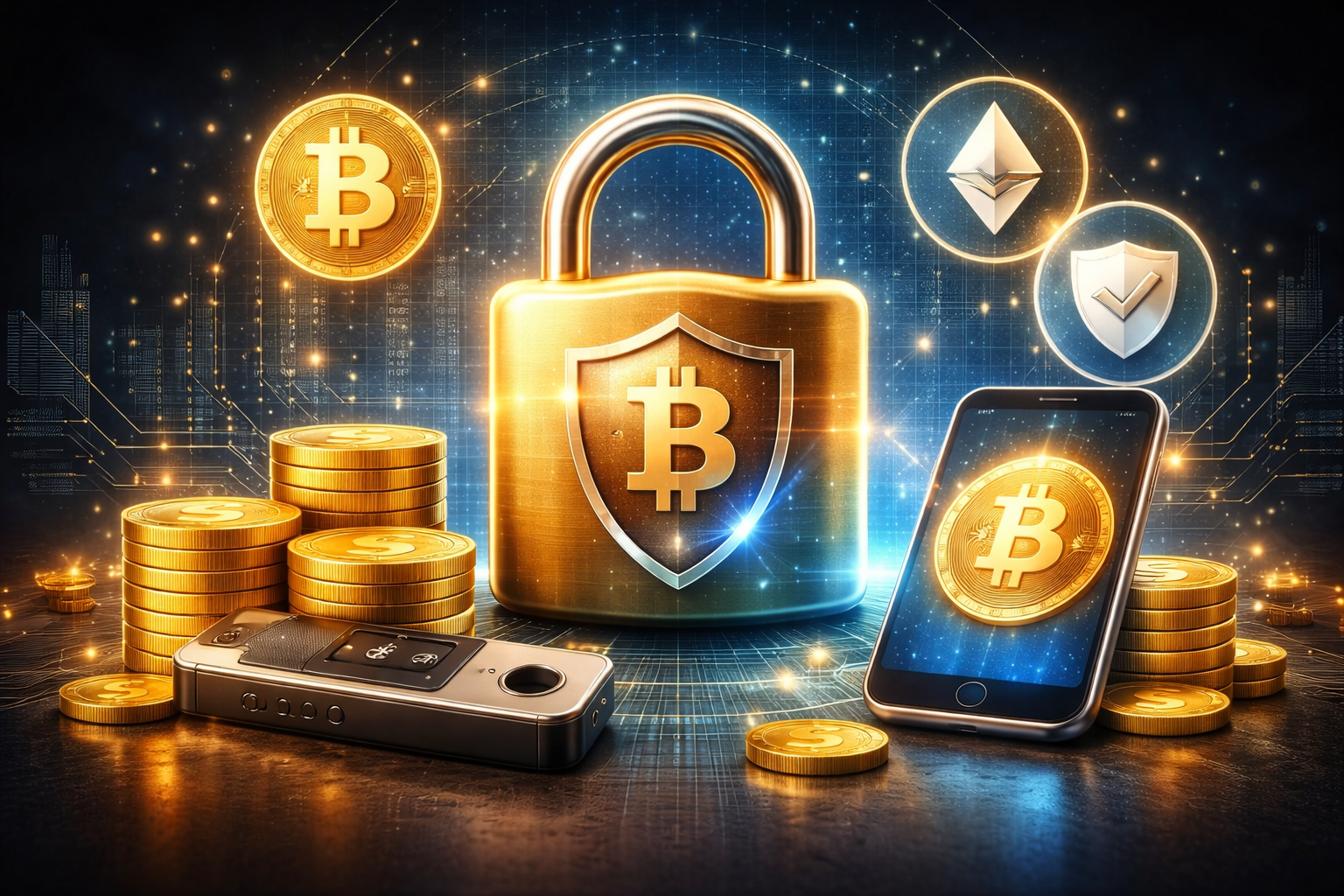
  • Bitcoin Wallets Explained: A Beginner’s Guide to Safely Storing Crypto

    Bitcoin Wallets Explained: A Beginner’s Guide to Safely Storing Crypto

    Introduction: Why Bitcoin Wallets Matter More Than You Think

    If you’re new to Bitcoin or cryptocurrency in general, one of the most important things you must understand early is how to store your Bitcoin safely.

    Unlike traditional money stored in banks, Bitcoin is decentralized. There is no bank branch you can walk into, no customer service desk to recover lost funds, and no “forgot password” button if something goes wrong. This is both Bitcoin’s greatest strength and its biggest responsibility.

    Bitcoin is stored and accessed through something called a Bitcoin wallet.

    In this beginner-friendly guide, you’ll learn:

    • What a Bitcoin wallet really is (in simple terms)
    • How Bitcoin wallets work behind the scenes
    • The different types of Bitcoin wallets available
    • Hot wallets vs cold wallets explained clearly
    • How to choose the right wallet for your needs
    • Common mistakes beginners make (and how to avoid them)

    By the end of this guide, you’ll have the confidence to store, send, and protect your Bitcoin safely — even if you’re starting from zero.


    What Is a Bitcoin Wallet?

    Bitcoin wallet is a digital tool that allows you to store, send, receive, and manage Bitcoin.

    However, here’s a crucial point many beginners misunderstand: “A Bitcoin wallet does not store actual Bitcoin”.

    Instead, it stores something called private keys.

    What Are Private Keys?

    Private keys are cryptographic codes that prove ownership of your Bitcoin on the blockchain. Whoever controls the private keys controls the Bitcoin.

    A helpful analogy:

    • Think of Bitcoin as valuables stored in a vault
    • The blockchain is the vault system
    • Your wallet is the key
    • The private key is the only key that opens your vault

    If you lose that key, there is no recovery service. Your Bitcoin is permanently inaccessible.

    This is why choosing the right wallet — and using it properly — is one of the most important decisions you’ll make in your crypto journey.


    Why Bitcoin Wallets Are So Important

    Using a Bitcoin wallet gives you true ownership and control over your money.

    Without a wallet (or with the wrong type of wallet), you are relying on third parties to hold your funds — which defeats the core purpose of Bitcoin.

    Bitcoin wallets are important because they:

    • Protect your Bitcoin from theft and unauthorized access
    • Give you full ownership and financial independence
    • Allow fast, global transactions without banks
    • Reduce reliance on intermediaries and institutions
    • Enable you to participate in the crypto economy safely

    In short, no wallet = no real control.


    How Bitcoin Wallets Work (Beginner Explanation)

    When someone sends Bitcoin to you, the transaction is recorded on the Bitcoin blockchain.

    Your wallet:

    • Generates a public address (similar to an account number)
    • Holds your private key, which authorizes spending
    • Signs transactions when you send Bitcoin
    • Displays your balance by reading blockchain data

    Your Bitcoin never leaves the blockchain — your wallet simply gives you access to it.


    Types of Bitcoin Wallets (With Pros & Cons)

    1. Software Wallets

    Software wallets are applications you install on your phone, computer, or browser.

    Types of Software Wallets

    • Mobile wallets (smartphones)
    • Desktop wallets (PC or laptop)
    • Web-based wallets (browser access)

    Best For

    • Beginners
    • Daily transactions
    • Daily transactions

    Advantages

    • Easy to use
    • Quick access
    • Often free
    • Beginner-friendly interfaces

    Risks

    • Vulnerable to hacking if your device is compromised
    • Vulnerable to hacking if your device is compromised
    • Device loss without proper backup

    2. Hardware Wallets

    Hardware wallets are physical devices built specifically to store Bitcoin offline.

    They are considered one of the safest ways to store cryptocurrency.

    Best For

    • Long-term investors
    • Large Bitcoin holdings
    • Maximum security

    Advantages

    • Offline storage (very secure)
    • Immune to online hacking
    • Strong encryption

    Risks

    • Cost money to buy
    • Must be stored safely
    • Loss without backup phrase can be catastrophic

    3. Custodial Wallets

    Custodial wallets are provided by crypto exchanges and platforms.

    In this case, the platform controls your private keys.

    Best For

    • Absolute beginners
    • People who value convenience over control

    Advantages

    • Very easy to use
    • Password recovery options
    • No need to manage keys manually

    Risks

    • You don’t truly own your Bitcoin
    • Platform hacks or shutdowns
    • Account freezes or restrictions

    Popular saying in crypto: “Not your keys, not your coins.”

    4. Non-Custodial Wallets

    Non-custodial wallets give you full control over your private keys.

    No third party can access your funds.

    Best For

    • Users who value independence
    • Long-term Bitcoin users
    • Security-conscious investors

    Advantages

    • Full ownership
    • No reliance on third parties
    • Greater privacy

    Risks

    • Full responsibility
    • Losing recovery phrase means permanent loss
    • No customer support to rescue mistakes

    Hot Wallets vs Cold Wallets Explained

    This distinction is important for security.

    Hot Wallets

    • Connected to the internet
    • Easy to access
    • Faster transactions

    Examples: Mobile wallets, desktop wallets, web wallets

    Best for: Daily use, small amounts


    Cold Wallets

    • Offline storage
    • Much harder to hack
    • Slower access

    Examples: Hardware wallets, paper wallets

    Best for: Long-term storage, large amounts

    Most experienced users use both:

    • Hot wallet for spending
    • Cold wallet for savings

    How to Choose the Right Bitcoin Wallet

    There is no single “best” wallet for everyone.

    The right wallet depends on your personal situation.

    Ask yourself:

    • Are you a beginner or advanced user?
    • How often will you send Bitcoin?
    • How often will you send Bitcoin?
    • Do you prioritize convenience or security?
    • Are you comfortable managing private keys?

    General Recommendation for Beginners

    • Start with a reputable software wallet
    • Learn how backups work
    • Learn how backups work

    Essential Security Features to Look For

    When choosing any Bitcoin wallet, ensure it offers:

    • Backup and recovery phrase
    • Strong encryption
    • Two-factor authentication (if available)
    • Open-source code (transparency)
    • Regular updates and active development

    Security is not optional in crypto — it is mandatory.


    Common Mistakes Beginners Should Avoid

    Many beginners lose Bitcoin not because of price drops, but due to avoidable mistakes.

    Avoid these at all costs:

    • Storing private keys in screenshots or emails
    • Ignoring wallet backups
    • Falling for fake wallet apps
    • Downloading wallets from unofficial websites
    • Using weak or reused passwords
    • Sending Bitcoin to the wrong address
    • Sharing recovery phrases with anyone

    Remember: Bitcoin transactions are irreversible.


    Best Practices for Safely Storing Bitcoin

    • Best Practices for Safely Storing Bitcoin
    • Store backups in multiple secure locations
    • Use cold storage for large amounts
    • Verify addresses before sending
    • Keep your software updated
    • Never rush transactions

    The Role of Bitcoin Wallets in Making Money Online

    Bitcoin wallets are not just for holding crypto — they are tools for:

    • Online payments
    • Freelancing
    • Affiliate commissions
    • International transfers
    • Long-term investing
    • Decentralized finance participation

    For anyone serious about making money online, understanding wallets is foundational knowledge.


    Final Thoughts: Take Control of Your Bitcoin

    Bitcoin wallets are a critical pillar of the cryptocurrency ecosystem.

    Understanding how they work empowers you to:

    • Protect your money
    • Avoid costly mistakes
    • Participate confidently in crypto
    • Build long-term digital wealth

    As you continue learning about Bitcoin, crypto trading, and online income opportunities, choosing the right wallet will remain one of the smartest decisions you’ll ever make.


    Frequently Asked Questions

    What is a Bitcoin wallet?

    A Bitcoin wallet is a digital tool that stores your private keys, allowing you to send, receive, and manage Bitcoin securely on the blockchain.

    How does a Bitcoin wallet work?

    It holds your private keys that authorize transactions on the blockchain — your actual Bitcoin stays on the blockchain, while the wallet gives you access.

    What is the difference between hot and cold wallets?

    Hot wallets are internet‑connected and easy to use but less secure, while cold wallets are offline and offer stronger security for long‑term storage.

    Which Bitcoin wallet is best for beginners?

    Beginner‑friendly wallets are reputable mobile or desktop software wallets; hardware wallets are better for larger amounts and long‑term storage due to higher security.

    Can I lose my Bitcoin if I lose my wallet?

    Yes — if you lose both your wallet and its recovery phrase, you will permanently lose access to your Bitcoin, so always back up your recovery phrase securely.

  • How to Make Money Online for Beginners – Step-by-Step Guide

    How to Make Money Online for Beginners – Step-by-Step Guide

    Finding a legitimate way to make money online can feel confusing when you’re just starting out. Between exaggerated income claims, recycled advice, and polished sales pages, it’s easy to assume the entire space is either too technical or too risky for beginners.

    Making money online is no longer a mystery or a luxury reserved for tech experts. Thousands of beginners are earning real online income using proven methods that require little to no startup capital. The challenge isn’t whether online income works — it’s knowing where to start, what to avoid, and how to stay consistent.

    The truth is simpler and more grounded. Making money online is not about shortcuts or overnight success. It’s about choosing realistic paths, understanding how online income actually works, and building consistency over time.

    This guide walks you through beginner‑friendly, proven ways to make money online, what to expect from each option, and how to avoid the mistakes that cause most people to quit early.

    Understand What “Making Money Online” Really Means

    Before choosing a method, it’s important to reset expectations. Making money online does not mean instant payouts for minimal effort. A legit online business opportunity is one that offers real value, transparency, and a clear path to earning money online. These opportunities are built on genuine skills, services, products, or content—not hype, guarantees, or vague promises. If an offer relies on fast income claims without requiring effort, audience, or consistency, it is usually designed to sell hope rather than build sustainable income.”

    A legitimate online business opportunity is built on a clear exchange of value, realistic timelines, and effort-based results—not guarantees. If an offer promises fast income without skills, audience, or consistent work, it is usually designed to sell hope rather than create sustainable income.

    In most cases, you are either:

    • Trading time for money (freelance work, virtual assistance)
    • Building an asset (blogs, YouTube channels, digital products)
    • Leveraging platforms to reach customers (marketplaces, gig platforms)
    • Freelancing
    • Affiliate marketing
    • Blogging and content creation
    • Remote jobs
    • Selling digital products
    • Microtasks and online surveys (supplemental income only)

    Each approach works differently, pays differently, and grows at a different pace. Beginners who understand this upfront are far more likely to stick with one path long enough to see results.

    Freelancing: The Fastest Entry Point for Beginners

    Freelancing is often the easiest way to earn your first online income because you’re offering a clear service in exchange for payment.

    Common beginner‑friendly freelance skills include writing, data entry, graphic design, customer support, social media assistance, and basic video editing. You don’t need to be an expert. You need to be reliable, communicative, and willing to improve.

    Platforms like Upwork, Fiverr, and Freelancer connect freelancers with clients actively looking for help. While competition exists, beginners who focus on one skill and create a simple, honest profile often stand out faster than expected.

    The key is to avoid chasing every opportunity. Pick one service, learn what clients actually want, and deliver consistently.

    Online Gigs and Microtasks

    Online gigs and microtask platforms pay for small tasks such as surveys, website testing, transcription, or simple research.

    This is not a long‑term income solution, but it can help beginners earn small amounts while learning how online platforms work. It also builds confidence by showing that online income is real, even if modest at first.

    Reliable platforms usually pay per task and clearly explain requirements. Any platform promising unusually high earnings for very little work should be treated with caution.

    Starting a Blog as a Long‑Term Income Asset

    Blogging remains one of the most sustainable ways to make money online, especially for beginners willing to think long‑term.

    A blog allows you to build content that attracts readers over time. Once traffic grows, income can come from ads, affiliate marketing, sponsored content, or digital products.

    The biggest mistake beginners make is expecting immediate income. Blogging is slow at the start, but it compounds. Articles written today can continue generating traffic and income months or even years later.

    If you’re serious about this path, learning how to build content around real search intent is essential. Many beginners benefit from understanding how affiliate marketing works before monetizing their blog.

    This concept is explained more clearly when you look at it in a broader context, especially for beginners. Our guide post Step‑by‑Step Guide to Starting a Profitable Blog in 2026 (Beginner‑Friendly Blueprint) will give you a clearer view on this topic.

    Affiliate Marketing Without a Blog

    Affiliate marketing does not require owning a website, although having one helps long‑term.

    Beginners can promote affiliate products through social media, email newsletters, or content platforms like Medium. The key is trust. Audiences respond better to honest recommendations backed by personal experience or clear explanations.

    Rather than promoting dozens of products, beginners see better results by focusing on one niche and a small number of relevant offers.

    Understanding the fundamentals of affiliate disclosure rules is also important to stay compliant and maintain credibility.

    Selling Digital Products

    Digital products such as ebooks, templates, printables, and simple courses allow you to create something once and sell it repeatedly.

    You don’t need advanced design skills to get started. Many successful digital products solve narrow problems, such as budgeting templates, planners, or step‑by‑step guides.

    Beginners often underestimate how valuable their existing knowledge can be. If you’ve solved a problem others are still struggling with, there’s likely demand for a simple, well‑explained solution.

    YouTube and Video Content Creation

    Video platforms offer another path for beginners who prefer speaking or demonstrating rather than writing.

    YouTube monetization takes time, but videos can generate income through ads, affiliate links, sponsorships, and product sales. Short‑form video platforms can also be used to build an audience that later converts to income streams.

    Consistency matters more than production quality at the beginning. Clear audio, helpful content, and realistic expectations are enough to start.

    Online Tutoring and Teaching

    If you have knowledge in subjects like language learning, math, coding, or music, online tutoring can be a practical way to earn money.

    Many platforms handle student acquisition and payments, allowing beginners to focus on teaching. Rates vary by subject and experience, but this option offers predictable income once students are secured.

    Avoid Common Beginner Traps

    Many beginners lose money not because opportunities don’t exist, but because scams rely on urgency, vague income promises, and emotional pressure. Offers that push “act now,” avoid clear explanations, or frame doubt as fear are usually designed to rush decisions rather than reward effort.

    Many beginners fail not because online income doesn’t work, but because they fall into avoidable traps:

    • Jumping between methods too quickly
    • Believing income screenshots without context
    • Paying for expensive courses before understanding the basics
    • Ignoring foundational skills like communication and consistency

    Learning how to identify online scams early can save time, money, and motivation.

    How to Choose the Right Path for You

    Beginners fail when they jump between methods instead of committing long enough to see results.

    The best online income method is the one you can sustain. Consider your available time, current skills, learning style, and financial goals.

    If you need faster income, freelancing or tutoring may be more suitable. If you’re willing to build long‑term assets, blogging, digital products, or video content may be better options.

    There is no single correct answer. What matters is choosing one path, committing to it, and allowing enough time for progress to compound.

    Skills compound over time, and systems matter far more than shortcuts. Beginners who focus on learning transferable skills and building repeatable processes are the ones who create sustainable online income instead of chasing quick wins.

    Final Thoughts

    Making money online as a beginner is achievable, but it requires realistic expectations and patience. The internet rewards consistency, not shortcuts.

    Start small, focus on one method, and build skills as you go. Over time, what feels slow in the beginning can become a reliable and scalable source of income.


    Frequently Asked Questions

    Can a beginner really make money online?

    Yes — with consistency and the right method, beginners can earn real income online using freelancing, blogging, affiliate marketing, or other legit paths.

    Do I need money to start?

    Most methods (like freelancing, affiliate marketing, or social content creation) require little to no money to start; only some like e‑commerce may need a small setup budget

    How long before I earn money?

    It varies: freelancing can pay in weeks, while blogs or YouTube typically take 3–6 months of consistent effort before steady income

    Is SEO important for making money online?

    Yes — SEO helps people find your content organically and is crucial for long‑term success in blogs, affiliate marketing, and other content‑based income paths

    What’s the easiest way for beginners to make money online?

    The easiest depends on your skills and time, but freelancing and remote online tasks usually offer the fastest results, while blogging and affiliate marketing build better long‑term income.