Tag: debt management

  • Understanding Debt the Right Way: How to Recognize Good vs Bad Debt and Avoid Debt Traps in 2026

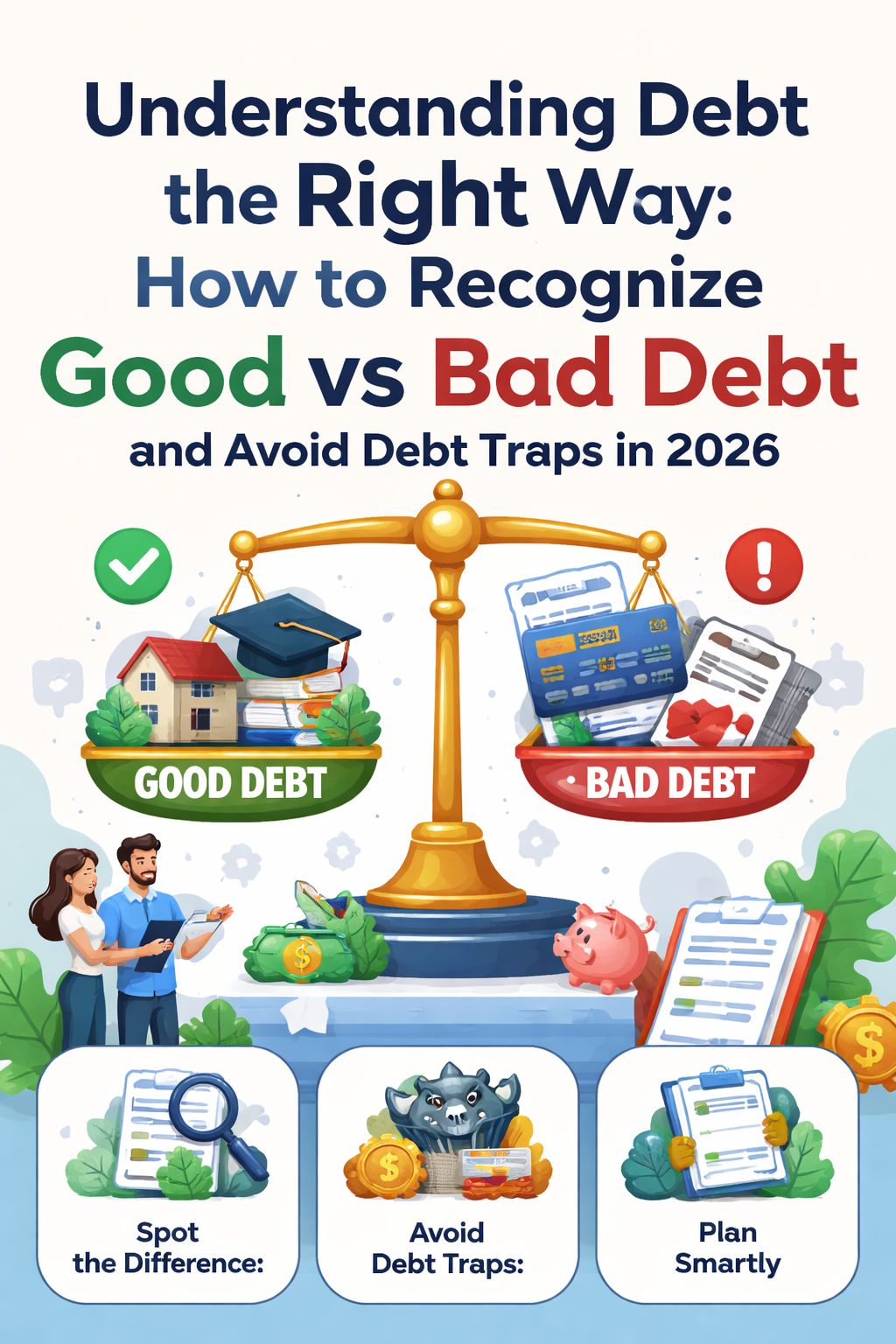
    Understanding Debt the Right Way: How to Recognize Good vs Bad Debt and Avoid Debt Traps in 2026

    Most people are told to avoid debt completely. But the truth is more nuanced — not all debt is harmful. When used wisely, debt can help you build wealth, invest in your future, and create financial opportunities. However, when used poorly, debt can trap you in a cycle that becomes difficult to escape.

    Understanding the difference between good debt vs bad debt is one of the most important financial skills you can develop. Once you learn how debt works and how to avoid common debt traps, you can make smarter financial decisions that support long-term stability.

    Direct Answer: What Is Good Debt vs Bad Debt?

    Good debt is borrowing money for something that has the potential to improve your financial situation or increase your long-term value, such as education, a home, or starting a business. Bad debt, on the other hand, is borrowing for things that lose value quickly or create ongoing financial pressure, such as high-interest credit cards, payday loans, or unnecessary purchases.

    The key difference is simple: good debt helps build your future, while bad debt makes your financial life harder.

    What Is Debt and Why It Matters

    Debt is money you borrow that must be repaid over time, usually with interest. While borrowing can provide access to opportunities, interest payments mean you often repay more than you originally borrowed.

    This is why understanding debt matters. Used wisely, debt can help you:

    • Build credit history
    • Invest in long-term assets
    • Improve earning potential
    • Handle emergencies responsibly

    Used poorly, debt can:

    • Reduce your monthly cash flow
    • Increase financial stress
    • Delay savings goals
    • Make it harder to build wealth

    Many people fall into financial difficulty not because they borrow money, but because they borrow without understanding the long-term impact. This is why learning the right way to use debt is essential.

    What Is Good Debt?

    Good debt is typically associated with borrowing that has the potential to improve your financial future. It often comes with lower interest rates and structured repayment plans.

    Examples of Good Debt

    Student Loans

    Education can increase your earning potential over time. Borrowing for education may be considered good debt when the program improves your career prospects and future income.

    However, this only applies when borrowing is reasonable and aligned with realistic income expectations. Taking on excessive student loans without a clear plan can still create financial challenges.

    Mortgage Loans

    Buying a home is often considered good debt because real estate typically appreciates over time. Instead of paying rent, your payments go toward ownership.

    Additionally, homeownership can provide long-term financial stability and potential equity growth.

    Business Loans

    Borrowing money to start or expand a business can also be considered good debt, especially when the business has strong growth potential.

    Many successful entrepreneurs use debt strategically to scale their businesses, invest in equipment, or expand operations.

    Strategic Personal Loans

    Sometimes, personal loans used to consolidate high-interest debt into a lower-interest option may also be considered good debt.

    For example, consolidating multiple credit cards into one lower-interest payment can simplify finances and reduce interest costs.

    This concept is closely related to How to Stop Living Paycheck to Paycheck, where managing obligations effectively improves overall financial stability.

    What Is Bad Debt?

    Bad debt usually involves borrowing for items that lose value quickly or create ongoing financial strain. These types of debt often carry higher interest rates and fewer long-term benefits.

    Examples of Bad Debt

    High-Interest Credit Card Debt

    Credit cards can be useful when managed responsibly. However, carrying balances with high interest rates can quickly lead to long-term debt.

    Minimum payments may seem manageable, but they extend repayment timelines and increase total interest paid.

    This is why understanding Budgeting Mistakes Beginners Must Avoid in 2026 is important, since poor budgeting often leads to excessive credit card reliance.

    Payday Loans

    Payday loans often come with extremely high interest rates and short repayment terms. These loans can quickly turn into a debt cycle, especially if borrowers need to take new loans to repay old ones.

    This is one of the most common debt traps people experience.

    Buy Now, Pay Later Overuse

    Buy now, pay later services can be helpful in moderation. However, using multiple payment plans simultaneously can create confusion and lead to missed payments.

    This can also negatively affect your credit score and overall financial health.

    Unnecessary Consumer Debt

    Borrowing money for items that quickly lose value — such as luxury purchases, gadgets, or impulse buys — is often considered bad debt.

    These purchases do not improve financial stability but still require repayment with interest.

    How Debt Traps Happen

    Debt traps often develop gradually rather than suddenly. Small borrowing decisions can accumulate over time and become difficult to manage.

    Common causes of debt traps include:

    • Relying on credit cards for everyday expenses
    • Not having an emergency fund
    • Taking multiple loans simultaneously
    • Ignoring interest rates
    • Making only minimum payments

    Without a plan, these habits can create a cycle where most of your income goes toward debt payments.

    This is why building an emergency cushion, as discussed in How to Build an Emergency Fund From Scratch, can help reduce reliance on debt during unexpected situations.

    How to Avoid Debt Traps

    Avoiding debt traps requires intentional planning and disciplined financial habits.

    1. Borrow Only When Necessary

    Before taking on debt, ask yourself:

    • Do I really need this?
    • Will this improve my financial situation?
    • Can I afford the monthly payments?

    If the answer is no, it may be best to delay borrowing.

    2. Understand Interest Rates

    Interest rates determine how much extra you pay over time. Even a small difference in rates can significantly increase total repayment.

    Always compare options before borrowing.

    3. Build an Emergency Fund

    Emergency savings reduce the need for borrowing during unexpected situations like job loss, medical expenses, or urgent repairs.

    Even small savings can prevent high-interest debt.

    4. Avoid Minimum Payments

    Minimum payments extend repayment timelines and increase interest costs. Paying more than the minimum reduces debt faster.

    5. Track Your Debt

    List all your debts, including:

    • Balance
    • Interest rate
    • Minimum payment
    • Due date

    Tracking helps you stay organized and create a repayment strategy.

    Tips for Using Debt Wisely

    Debt is not always negative. When used strategically, it can support financial growth.

    Here are smart ways to use debt:

    • Borrow for income-producing opportunities
    • Keep debt manageable
    • Maintain a strong credit score
    • Pay on time consistently
    • Avoid borrowing for lifestyle upgrades

    These strategies align with long-term financial planning and responsible money management.

    Signs Your Debt Is Becoming a Problem

    Watch for these warning signs:

    • You rely on credit cards for essentials
    • You struggle to make minimum payments
    • You borrow to repay other debts
    • Your debt keeps increasing
    • You feel constant financial stress

    If you notice these signs, it may be time to reassess your financial strategy and focus on repayment.

    Building a Healthy Relationship With Debt

    The goal is not to avoid debt completely but to use it wisely. Responsible borrowing can help you:

    • Build credit
    • Invest in opportunities
    • Improve financial flexibility
    • Achieve long-term goals

    However, discipline and planning are essential.

    When you understand debt properly, you gain control over your financial future instead of allowing debt to control you.

    Final Thoughts

    Understanding debt the right way is one of the most important steps toward financial stability. Good debt can create opportunities, while bad debt can create obstacles.

    By learning to recognize the difference and avoiding common debt traps, you position yourself for smarter financial decisions and long-term growth.

    Start by borrowing intentionally, managing repayments responsibly, and building savings to reduce reliance on debt.

    Over time, these habits can help you build a stronger financial foundation and move closer to your long-term financial goals.


    Frequently Asked Questions

    What is the difference between good debt and bad debt?

    Good debt is used for investments that increase long-term value, such as education, a home, or a business. Bad debt is borrowing for items that lose value quickly or create financial stress, like high-interest credit cards, payday loans, or luxury items.

    Can debt ever be beneficial?

    Yes. When used wisely, debt can help you build credit, invest in opportunities, and achieve financial goals. Strategic borrowing, like a mortgage or student loan, can improve your long-term financial position.

    What are common debt traps to avoid?

    Common debt traps include relying on high-interest credit cards, payday loans, multiple buy now-pay later plans, and borrowing for unnecessary consumer purchases. These can create cycles of ongoing debt and financial stress.

    How can I avoid falling into bad debt?

    Avoid bad debt by borrowing only when necessary, understanding interest rates, building an emergency fund, paying more than the minimum on loans, and tracking all your debts carefully.

    How do I know if my debt is becoming a problem?

    Warning signs include relying on credit cards for essentials, struggling to make minimum payments, borrowing to pay off other debts, increasing debt levels, and experiencing constant financial stress. Recognizing these early allows for corrective action.

  • 7 Year-End Money Mistakes Beginners Should Avoid

    7 Year-End Money Mistakes Beginners Should Avoid

    As the year comes to an end, many beginners feel a rush to “fix” their finances before January arrives. While year-end can be a powerful time for reflection and planning, it’s also when costly money mistakes are most commonly made. Emotional spending, rushed decisions, ignored deadlines, and poor planning can quietly undo months of financial progress.

    If you’re new to managing money, this guide will help you avoid the most common year-end financial traps. By understanding these mistakes—and how to prevent them—you can close the year strong and start the next one with clarity, confidence, and control.


    Why Year-End Financial Decisions Matter

    Year-end financial choices don’t just affect December. They shape your cash flow, savings momentum, and debt position for the entire year ahead. Small decisions—like ignoring expenses or overspending during holidays—can snowball into financial stress that lasts for months.

    Beginners often underestimate how powerful this period is. Year-end is when you can:

    • Review spending patterns honestly
    • Adjust habits before they become permanent
    • Reset goals for the new year
    • Protect savings from unnecessary losses

    Avoiding mistakes now gives you a clean financial slate for January instead of financial hangovers.


    1. Overspending During the Holiday Season

    Holiday spending is the most common year-end money mistake—and the most dangerous for beginners.

    Why It Happens

    Between gifts, travel, food, parties, and sales promotions, spending pressure is everywhere. Many beginners assume they’ll “figure it out later” or rely on credit cards to smooth things over.

    Unfortunately, later often means January debt.

    The Hidden Cost

    Overspending doesn’t just reduce savings—it creates stress, interest charges, and regret. A single expensive December can delay financial goals by months.

    How to Avoid It

    • Set a clear holiday spending limit in advance
    • Use cash or debit for discretionary purchases
    • Track expenses weekly, not monthly
    • Focus on thoughtful gifts, not expensive ones

    Holiday joy should not come at the expense of financial stability. Practicing discipline now builds habits that last.


    2. Ignoring a Year-End Budget Review

    Many beginners set a budget at the start of the year—and never look at it again.

    Why This Is a Problem

    Without reviewing your budget, you don’t know:

    • Where your money actually went
    • Which categories caused overspending
    • What habits need adjusting

    Skipping this step means repeating the same mistakes next year.

    How to Fix It

    Before the year ends:

    • Review your last 3–6 months of expenses
    • Compare planned vs actual spending
    • Identify patterns that surprised you
    • Adjust categories for realism

    This review creates a strong foundation for goal-setting and smarter decisions in the new year. For deeper clarity, revisit principles discussed in Budgeting Tips for Beginners That Actually Work.


    3. Forgetting to Prepare for Upcoming Bills and Expenses

    Year-end often distracts beginners from what’s coming next.

    Common Overlooked Expenses

    • Annual subscriptions renewing in January
    • Insurance premiums
    • School or training fees
    • Car maintenance
    • Property or service renewals

    Ignoring these expenses can create immediate financial strain early in the year.

    Smart Prevention Strategy

    • List all upcoming bills for the next 90 days
    • Estimate amounts conservatively
    • Set aside money before December ends
    • Cancel unused subscriptions proactively

    Planning ahead protects your cash flow and prevents emergency borrowing.


    4. Carrying High-Interest Debt Into the New Year

    Debt doesn’t disappear just because the calendar changes.

    Why This Mistake Hurts Beginners

    High-interest debt—especially credit cards—can quietly drain your finances. Carrying balances into the new year means:

    • Paying unnecessary interest
    • Slower progress toward savings
    • Reduced financial flexibility

    Many beginners postpone debt action until “later,” not realizing how expensive delay can be.

    What to Do Before Year-End

    • List all debts with interest rates
    • Prioritize paying down the highest-interest balance
    • Use any year-end bonuses or extra income wisely
    • Avoid adding new debt for non-essential purchases

    Starting the year with less debt creates momentum and confidence. You can explore structured approaches in Smart Ways to Save Money in 2026.


    5. Neglecting Emergency Fund Progress

    An emergency fund is not optional—it’s essential.

    The Beginner Trap

    Many beginners delay emergency savings, assuming emergencies are rare or manageable. Year-end distractions often push saving to the bottom of the list.

    The reality? Unexpected expenses don’t wait for perfect timing.

    Why Year-End Is the Perfect Time to Act

    • You can review unused money
    • Redirect small surpluses
    • Set a realistic starting target

    Practical Steps

    • Aim for at least one month of essential expenses
    • Start small if necessary—consistency matters
    • Keep funds accessible, not invested

    Emergency savings protect you from debt and panic decisions. For goal-setting guidance, see Financial Goals Every Beginner Should Set.


    6. Making Emotional Financial Decisions

    Year-end emotions are powerful—nostalgia, pressure, regret, and excitement all collide.

    How Emotions Affect Money

    • Guilt-driven spending on gifts
    • Fear-based investing decisions
    • Panic saving without planning
    • Comparing finances to others

    These reactions often lead to poor outcomes.

    How to Stay Rational

    • Delay major financial decisions until emotions settle
    • Write down the reason for any large purchase
    • Focus on personal goals, not comparisons
    • Review decisions with logic, not urgency

    Financial progress is built on calm, consistent actions—not emotional reactions.


    7. Entering the New Year Without Clear Financial Goals

    Perhaps the biggest mistake beginners make is starting a new year without direction.

    Why Goals Matter

    Without goals:

    • Spending lacks purpose
    • Saving feels pointless
    • Progress becomes inconsistent

    Clear goals give your money meaning.

    How to Set Smart Year-End Goals

    Before the year ends:

    • Reflect on what worked and what didn’t
    • Choose 3–5 realistic financial goals
    • Define timelines and amounts
    • Break goals into monthly actions

    Goal clarity transforms motivation into results. For structure, review Beginner’s Guide to Personal Finance.


    Final Thoughts: Finish Strong, Start Smarter

    Year-end is not about perfection—it’s about awareness and preparation. Avoiding these seven money mistakes can dramatically improve your financial confidence and stability.

    Instead of rushing, pause. Review. Adjust. Plan.

    When you close the year with intention, you don’t just avoid mistakes—you build momentum that carries forward into a more secure and empowered financial future.

    Your next financial chapter starts now. Make it count.


    Frequently Asked Questions

    Why are year-end money decisions so important for beginners?

    Year-end decisions shape your financial starting point for the new year. Mistakes like overspending or ignoring debt can create stress and delay progress for months.

    What is the biggest year-end money mistake beginners make?

    Overspending during the holiday season is the most common and damaging mistake, often leading to debt and reduced savings.

    Should beginners focus on saving or paying debt before the new year?

    Ideally, beginners should balance both—prioritizing high-interest debt while still setting aside emergency savings.

    Is it too late to fix financial mistakes at the end of the year?

    Not at all. Year-end is actually one of the best times to review, reset, and make small adjustments that lead to big improvements.

    How can beginners set realistic financial goals for the new year?

    Start with 3–5 clear goals, assign timelines, and break them into monthly actions. Simplicity and consistency matter more than perfection.

    Should I create a new budget before the year ends?

    Yes. Reviewing and adjusting your budget before January helps you start the new year with clarity and control.

  • Personal Finance Basics: A Complete Beginner’s Guide to Managing Money Wisely

    Personal Finance Basics: A Complete Beginner’s Guide to Managing Money Wisely

    Affiliate Disclosure: This post contains affiliate links. Finance Profit Hub may earn a small commission if you make a purchase through these links, at no extra cost to you.

    Managing money influences nearly every part of daily life, yet most people are never formally taught how to do it well. From paying monthly bills to planning for long-term goals, financial decisions can feel overwhelming, especially at the beginning. The good news is that personal finance becomes far more approachable once the fundamentals are clearly understood.

    This guide breaks down the core principles of personal finance for anyone who wants more control and confidence with money. It offers a practical framework for making sound financial decisions, building healthy habits, and working toward long-term stability. Whether you are starting fresh or refining your current approach, these principles provide a foundation that remains relevant well beyond 2026.


    What Is Personal Finance?

    Personal finance is the way individuals or households earn, spend, save, invest, borrow, and plan their money. At its core, it is about making deliberate choices so money supports your goals instead of becoming a constant source of stress.

    Strong personal finance habits allow you to:

    Cover everyday expenses with confidence
    Prepare for unexpected situations
    Manage debt responsibly
    Build wealth steadily over time
    Work toward major goals such as buying a home, funding education, or retiring comfortably

    Personal finance is not about quick wins or overnight success. It is about stability, consistency, and long-term peace of mind.


    Why Personal Finance Matters More Than Ever

    Financial responsibility has become increasingly important. Rising living costs, economic uncertainty, and easy access to credit can quickly create problems without a clear plan in place.

    When basic financial skills are missing, many people find themselves:

    Living paycheck to paycheck
    Carrying high-interest debt
    Unprepared for emergencies
    Constantly stressed about money decisions

    Learning personal finance shifts you from reacting to financial problems to planning ahead and preventing them.


    The Core Pillars of Personal Finance

    Personal finance rests on five key pillars. When these areas work together, they create a balanced and sustainable financial system.

    1. Budgeting

    Budgeting forms the foundation of all financial decisions. A budget is simply a plan for how income is spent and saved, ensuring your money reflects your priorities.

    A clear budget helps you:

    Understand where your money goes
    Prevent overspending
    Spot opportunities to save
    Plan ahead with intention

    Budgeting is not about limiting yourself. It is about awareness and control.

    2. Saving

    Saving prepares you for both planned expenses and unexpected events. Without savings, even minor surprises can disrupt your finances.

    Savings support:

    Emergency protection
    Short-term goals
    Long-term financial security

    Even small, consistent contributions build resilience over time.

    3. Investing

    Investing is how money grows over the long term. While saving protects your funds, investing allows them to work for you.

    Investing helps you:

    Stay ahead of inflation
    Build wealth gradually
    Prepare for retirement

    You do not need large sums of money or advanced knowledge to begin. Understanding the basics and starting early often matters more than perfect timing.

    4. Debt Management

    Debt can either support progress or create setbacks, depending on how it is handled. Learning to manage debt responsibly is essential to financial health.

    Effective debt management includes:

    Knowing how interest works
    Paying obligations on time
    Avoiding unnecessary borrowing

    When used carefully, debt can support growth. When ignored, it can restrict financial freedom.

    5. Financial Planning

    Financial planning focuses on the future. It involves setting goals, preparing for major life events, and creating a clear path forward.

    Financial planning may include:

    Preparing for retirement
    Funding education
    Planning for home ownership
    Building long-term wealth

    A well-defined plan improves the decisions you make today and strengthens your financial outlook.


    How to Create a Simple Budget (Beginner-Friendly)

    How to Create a Simple Budget for Beginners: Creating a budget does not require advanced tools or complicated systems. The goal is clarity and consistency.

    Step 1: Calculate Your Monthly Income

    Identify how much money you receive each month after taxes. Include all reliable income sources.

    Step 2: List Your Expenses

    Separate expenses into two groups: Fixed expenses such as rent, utilities, insurance and Subscriptions Variable expenses such as groceries, transportation, and entertainment.

    Step 3: Use the 50/30/20 Rule

    A common budgeting guideline for beginners is the 50/30/20 rule:

    50 percent for needs
    30 percent for wants
    20 percent for savings or debt repayment

    This approach offers structure while remaining flexible.

    Step 4: Adjust and Track

    Budgets should evolve. Review your spending regularly and adjust as your income or priorities change.


    The Importance of Saving and Emergency Funds

    An emergency fund is a critical part of personal finance. It protects you from unexpected situations such as medical expenses, job loss, or urgent repairs.

    How Much Should You Save? A typical recommendation is:

    At least three months of essential expenses
    Six months for greater security

    Start with what you can. Consistency matters more than size.

    Where to Keep Emergency Savings: Emergency funds should be:

    Easy to access
    Low risk
    Separate from everyday spending

    This ensures the money is available when it is truly needed.


    Understanding Debt: Good vs Bad

    Not all debt carries the same impact. Knowing the difference leads to better decisions.

    Good Debt: Good debt is often tied to long-term value, including:

    Education loans
    Mortgages
    Business-related borrowing

    These forms of debt can support income growth or stability.

    Bad Debt: Bad debt usually involves high interest and depreciating purchases, such as:

    Credit card balances
    Payday loans
    Impulse spending

    Minimizing high-interest debt should be a priority in any financial plan.


    Investing Basics for Beginners

    Many beginners feel unsure about investing, but the core ideas are straightforward.

    Why Investing Matters: Inflation gradually reduces the value of cash. Investing helps money grow faster than inflation, protecting purchasing power over time.

    Key Investing Principles:

    Begin early
    Invest consistently
    Focus on the long term
    Avoid emotional reactions

    Steady, disciplined investing often produces better results than chasing trends.


    Common Personal Finance Mistakes to Avoid

    Avoiding common missteps helps protect financial progress.

    Common mistakes include:

    Spending more than you earn
    Neglecting savings
    Overusing credit
    Failing to plan ahead
    Making decisions driven by pressure or fear

    Recognizing these patterns makes it easier to stay on track.


    Final Thoughts: Building a Strong Financial Foundation

    Personal finance is an ongoing process, not a one-time task. The habits you build today influence your financial stability for years to come.

    By focusing on budgeting, saving, investing, managing debt, and planning ahead, you equip yourself to make confident and informed decisions.

    Progress matters more than perfection. With consistency and awareness, financial stability is achievable for anyone willing to learn and take action.

    For anyone ready to take the next step and deepen their understanding of personal finance, The Simple Path to Wealth by JL Collins is an excellent beginner-friendly guide. It walks you through budgeting, saving, and investing in a clear, practical way that anyone can follow.


    Frequently Asked Questions

    What are personal finance basics?

    Personal finance basics include budgeting, saving, managing debt, investing, and planning for future financial goals to help you manage money responsibly and build financial stability.

    Why is personal finance important for beginners?

    Personal finance matters because it builds healthy money habits early, reduces financial stress, and helps avoid common mistakes like excessive debt and lack of savings.

    How can I start managing my money better?

    You can start by tracking income and expenses, creating a simple budget, saving consistently, and prioritizing essential needs over unnecessary spending.

    How much money should I save each month?

    A common guideline is to save at least 20% of your income, but saving any amount consistently helps — start with what you can afford and increase over time.

    Is investing necessary for beginners?

    Yes — while saving protects your money, investing helps it grow over time and beat inflation; starting early with basic principles matters more than perfect timing