

Affiliate Disclosure: This article reflects independent personal experience and operational history for informational and educational purposes only. Some links or product mentions may involve affiliate structures. To understand more about marketing compliance and consumer protection standards, you can review the FTC Endorsement Guides.
Entering the digital marketing landscape often begins with a singular objective: finding a viable path toward financial stability.
In July 2020, economic pressures pushed me into multi-tier affiliate marketing. I joined the Strong Future International (SFI) ecosystem as a beginner.
That marked the start of a six-year journey. It involved active participation, structural shifts, and a transition to independent asset ownership on Finance Profit Hub.
This retrospective breaks down the actual economics, structural mechanics, and hard-earned lessons learned from navigating a long-standing affiliate network.
The Financial Reality: Ledger Data, Investments, and Cash Returns
When evaluating any online business model, transparency matters more than hype. Over the years, tracking my SFI and Rewardicals participation showed a clear pattern. Gross activity and net liquid income rarely aligned.
- Out-of-pocket costs often clash with subsidized growth: Traditional multi-tier programs demand constant spending to maintain an active status. This means recurring monthly purchases like Silver packs, advertising aids, and product orders. For many participants, these costs quickly accumulate. Early on, my participation stayed afloat thanks to a dedicated sponsor. They provided vital guidance and direct financial support. During periods of financial strain, they helped cover order milestones and gift certificates.
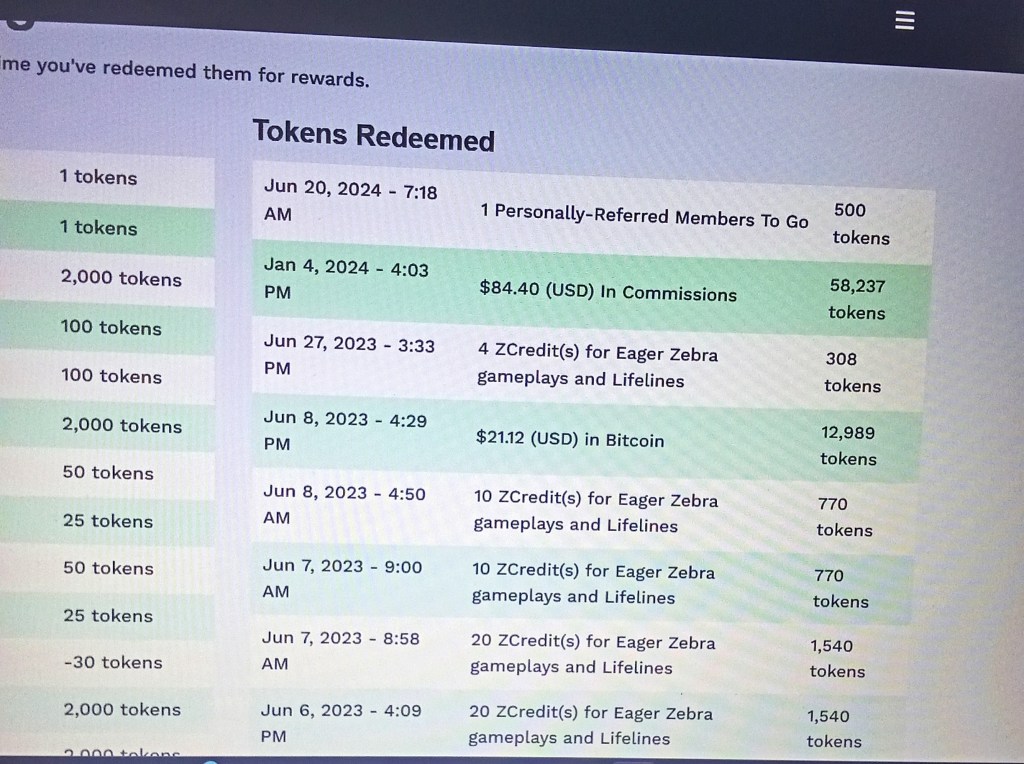
- Account ledgers and payout logs confirm that earnings were possible: Success required strategic maneuvering rather than passive accumulation.
- Direct cash commissions were verifiable: Minor milestone payouts ranged from $7.00 to $21.12, while larger sums reached $84.40. These earnings came from strategically converting reward tokens and applying specific promotional frameworks.
- The Gift Certificate Utility Loop: Earned Rewardicals often went toward TripleClicks gift certificates ranging from $5 to $26. These worked well as internal store credits for platform purchases. Still, they remained a closed-loop ecosystem currency. They could not act as liquid income to cover everyday external expenses.

Platform Evolution and Structural UI/UX Hazards
Platform eras have shifted over the years. This spans from early VersaPoint “green tab” tracking days to later system overhauls. Maintaining momentum became much harder.
Programs often introduce higher-tier requirements, like advanced rank milestones or accelerated purchasing thresholds. Because of this, the margin for error for everyday participants shrinks.
A recurring risk in complex affiliate platforms lies in rigid interface design and automated checkout mechanics. Rigid tier-advancement structures often feature complex checkout options. For instance, checkboxes can retroactively apply current purchases to past monthly cycles.
Fast-paced environments leave little room for error. A single overlooked interface toggle can lock you out of a rank progression window, and refunds or recourse are rarely available. Technical and operational friction points create hidden traps. Automated rules can easily penalize newcomers who miss the fine print.
Mentorship Versus Automated Systems
Sustaining motivation in a multi-tier structure depends heavily on community support. Yet, the daily experience often reveals a stark divide. It separates automated platform mechanics from genuine human connection.
Much of daily engagement relies on automated systems. This includes system notifications, milestone alerts, and self-directed task lists. However, the true human element is concentrated in direct mentorship. Having a responsive sponsor provides a lifeline through the steep learning curve.
Top-tier mentors sometimes face personal emergencies or step away. Lower-tier participants are then left to carry the full financial weight.
This dynamic drives high affiliate churn rates. Large downlines quickly accumulate inactive profiles, leaving newcomers feeling isolated within an automated machine.
Lessons Learned: And The Pivot to Independent Blogging
Six years of immersion in structured affiliate programs teach critical lessons about digital asset ownership:
- Beware Closed Ecosystems: Relying entirely on a third-party platform for traffic, record retention, and payouts introduces vulnerability. Payment gateway bottlenecks, changing program rules, and data migration issues mean your hard-earned history can evaporate without clear audit trails.
- Control Your Own Platform: Build an independent digital asset like a dedicated WordPress blog. This shifts the paradigm. Instead of working in someone else’s system, you build searchable value that you fully control.
- Prioritize Consumer Protection: The most sustainable way to approach affiliate marketing and online reviews is through radical transparency. Sharing real ledgers, highlighting structural pitfalls, and protecting beginners from hidden costs builds genuine authority and trust.
Frequently Asked Questions
Joining SFI as an affiliate is free. However, keeping an active status requires more. Rank advancements and competitive positioning demand ongoing spending. This means recurring monthly purchases for products, ad credits, or inventory packs.
Rewardicals are digital reward tokens earned through platform activities, games like Zingo, or qualifying purchases. Redemption options have evolved over time. Current choices include ZCredits packs like Bronze, Silver, and Gold. You can also choose SFI Commemorative Coins or GreatLife VIP Membership Packages. These modern options have replaced older legacy gift structures.
Top-tier participants and big ad spenders can generate returns. However, everyday beginners face a different reality. They deal with high churn rates, heavy monthly costs, and steep learning curves. Without independent traffic sources, sustainable profitability remains difficult.
Building an independent website gives you full control over your content, traffic acquisition, and digital assets. Unlike closed affiliate ecosystems where rules, payouts, and historical records can change overnight, an independent blog on WordPress allows you to monetize transparently through multiple streams, including display ads like Google AdSense.
Six years of immersion in structured affiliate programs teach critical lessons about digital asset ownership. Closed ecosystems introduce vulnerabilities through changing program rules and gateway bottlenecks, whereas building an independent digital asset like a dedicated WordPress blog shifts the paradigm toward genuine, searchable value that you fully control. Approaching online marketing with radical transparency, sharing real data, and protecting beginners from hidden structural costs builds the exact type of authority that modern search algorithms and review systems reward.
Summary
Evaluating SFI today requires a clear-eyed look at the numbers, the structural demands, and the psychological toll of multi-tier maintenance. Newcomers face choices like new product rollouts or affiliate pivots. The golden rule never changes. Evaluate the underlying economics. Protect your capital. Most importantly, invest your energy into assets you truly own.
Read our detailed LootUp.me Review 2026: Real Payouts, the Game Tracking Trap, and the Broken Verification Wall. To see how these tracking traps and verification walls manifest across modern platforms.
Leave a Reply